Bank feeds are helpful, but they are not the same as reconciled books. Learn why monthly reconciliation helps small business owners catch missing transactions, avoid duplicate entries, and keep financial reports more accurate.
Monthly Bookkeeping
Practical guidance for keeping small business books current throughout the year. Topics include monthly reconciliations, records to send your bookkeeper, document organization, recurring bookkeeping routines, and clear monthly reports.
What Records Should You Send Your Bookkeeper Each Month?
Not sure what to send your bookkeeper each month? Use this practical checklist to keep your small business records organized and your books up to date.
The Small Business Monthly Close: What Should Happen Before You Trust Your Numbers
A monthly close is not just for large companies. Small businesses benefit from a simple monthly bookkeeping process that confirms transactions are entered, accounts are reconciled, reports are reviewed, and questions are resolved before the numbers are trusted.
How to Build a Recordkeeping System That Actually Works for a Small Business
A good recordkeeping system does more than save receipts. It helps small business owners keep clean books, prepare information for their CPA or tax preparer, support financing requests, and make better business decisions throughout the year.
How to Share Financial Documents Securely With Your Bookkeeper
Financial documents should be shared with care. Bank statements, payroll reports, tax documents, receipts, and QuickBooks access often contain sensitive information, so small business owners should use secure portals, limited user access, organized files, and clear communication when working with a bookkeeper.
Recurring Charges, Subscriptions, and Software Fees: The Quiet Bookkeeping Problem
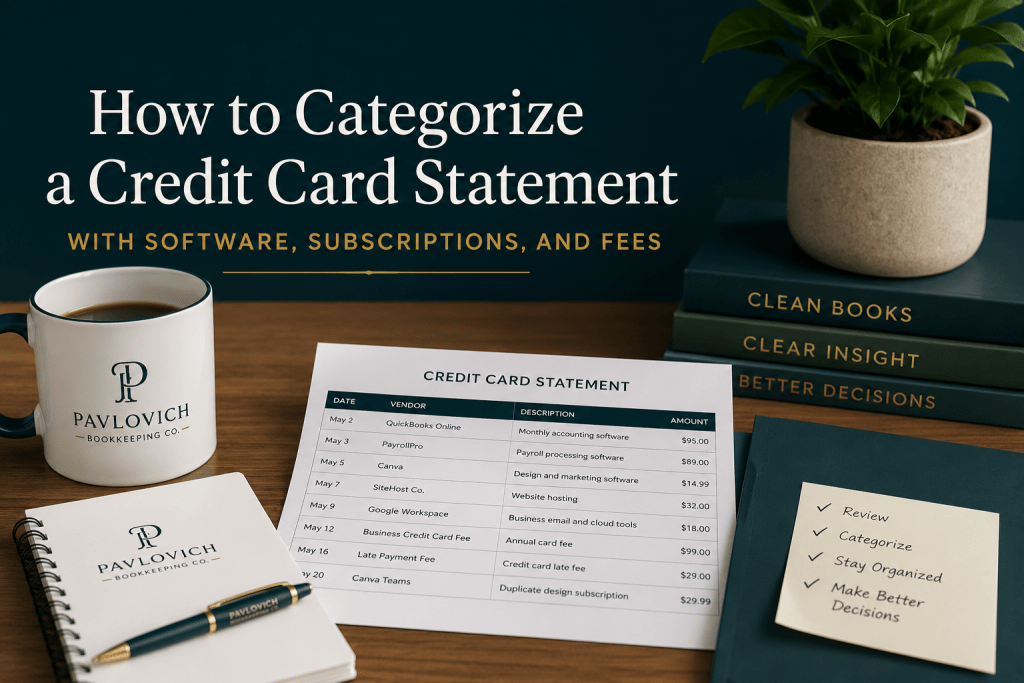
Recurring charges, subscriptions, software fees, memberships, and auto-renewals can quietly clutter small business books. This article explains how monthly bookkeeping can help flag unclear charges, duplicate services, and outdated subscriptions so business owners can keep cleaner records and more useful financial reports.
Merchant Deposits, Processing Fees, Refunds, and 1099-Ks: Why Your Bank Deposit Does Not Tell the Whole Story
Merchant deposits do not always show the full story behind your sales. Payment processors may subtract fees, refunds, chargebacks, and other adjustments before money reaches your bank account. Learn why bank deposits may not match sales reports, how 1099-Ks fit in, and what processor records small business owners should keep organized for cleaner bookkeeping and tax-time support.
Why Monthly Bookkeeping Should Not Wait Until Tax Season
Monthly bookkeeping helps small business owners keep records current, catch issues early, and avoid the stress of sorting through a full year of transactions at tax time. Clean monthly books also provide clearer reports, better business insight, and more organized information for a CPA or tax preparer.
The Monthly Bookkeeping Rhythm Every Small Business Owner Should Understand
A steady monthly bookkeeping rhythm helps small business owners keep records organized, categorize transactions clearly, reconcile accounts, review unusual items, and use financial reports with more confidence. Clean monthly books make business records more reliable and easier to review throughout the year.
What Small Business Owners Should Review Before Closing the Month
Before closing the month, small business owners should review key details that support accurate bookkeeping, including business accounts, income deposits, expense details, personal charges, bookkeeper questions, and monthly financial reports. A simple monthly review helps keep records clearer and more reliable.