Key Takeaways
- Ignoring contractor payment records during the year creates tax-time stress for business owners.
- Small gaps, like missing W-9s or inconsistent vendor names, complicate information for CPAs or tax preparers.
- Collecting W-9s early helps streamline bookkeeping and supports clean vendor tracking throughout the year.
- Organized contractor payment records simplify tax preparation, making it easier for professionals to compile accurate reports.
- Using personal payment apps for contractor payments can lead to confusion; maintain clear business payment processes.
Contractor records can create a lot of tax-time stress when business owners ignore them during the year.
The issue usually does not start with one large mistake. It starts with small gaps: a missing W-9, a contractor paid under two different names, payments sent through a personal app, or expenses split between several accounts. By year-end, those small gaps can make it harder to give your CPA or tax preparer clear information.
Good bookkeeping does not replace tax advice, and your bookkeeper should not decide your filing obligations unless they also provide qualified tax services. But organized contractor payment records can help your CPA or tax preparer review vendor activity more efficiently and determine what tax reporting steps may apply.
The IRS explains that if a business determines a worker qualifies as an independent contractor, the first step is to have that contractor complete Form W-9. The IRS also says businesses should keep the W-9 in their files for four years in case questions come from the worker or the IRS. (irs.gov)
Why Contractor Records Create Tax-Time Stress When Ignored
Many small businesses pay contractors throughout the year. A contractor may help with design, repairs, consulting, marketing, administrative work, cleaning, subcontracted labor, photography, bookkeeping support, or other services.
The payments may seem simple at the time. You receive an invoice, pay it, and move on.
But at tax time, your CPA or tax preparer may need more than the total amount paid. They may need to know who received payments, how much each vendor received, whether the vendor information matches IRS records, and whether the business has the right documentation on file.
When contractor records stay scattered, you may have to search through bank statements, emails, payment apps, invoices, and old text messages. That creates extra work at the exact time when you want your books to feel organized.
What a W-9 Is Used For
Form W-9 helps a business collect taxpayer information from a vendor or contractor.
The IRS Form W-9 page explains that the form provides the correct taxpayer identification number to a person or business that must file an information return with the IRS. The form can support reporting for income paid and other reportable transactions. (irs.gov)
For bookkeeping purposes, a W-9 helps connect a vendor record to the correct legal name and taxpayer identification information. That matters because a contractor may use a business name on an invoice, a personal name in a payment app, and a different name in email correspondence.
Without a W-9, your vendor list may look organized in QuickBooks but still lack the information your CPA or tax preparer needs.
Why Businesses Should Collect Contractor Information Early
The best time to collect a W-9 is before payments pile up.
Once a contractor completes the work and receives payment, it may become harder to get missing paperwork. The contractor may move, change email addresses, stop working with your business, or respond slowly during tax season.
Collecting vendor information early helps your bookkeeping stay cleaner throughout the year. It also gives your business one place to store the contractor’s legal name, business name, address, taxpayer identification information, and payment details.
This does not mean every vendor requires the same tax treatment. Your CPA or tax preparer should guide those decisions. But your bookkeeping process can still help gather and organize the records they need to review.
How Bookkeeping Can Help Track Payments by Vendor
Bookkeeping software works best when vendor names stay consistent.
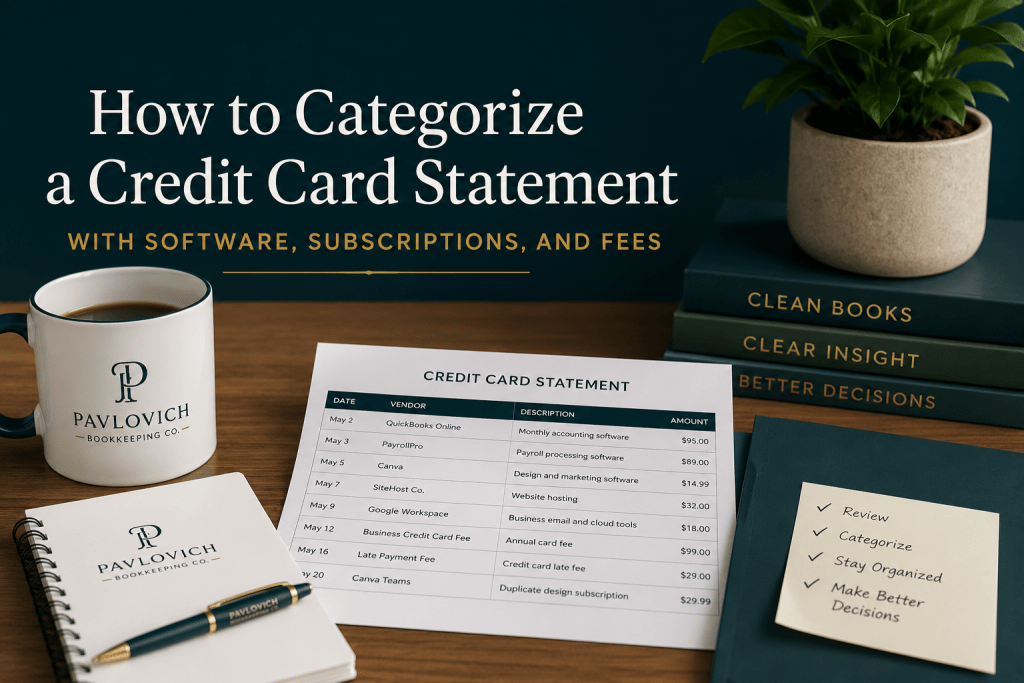
If you pay the same contractor under several different names, your reports may split payments across multiple vendor records. For example, one contractor could appear as “J. Smith,” “Smith Design,” “John Smith,” and “Venmo-John.” If those entries do not get cleaned up, your year-end vendor totals may look incomplete.
A bookkeeper can help by reviewing vendor names, assigning payments to the correct vendor, attaching documents when available, and tracking payment totals throughout the year.
This matters because your CPA or tax preparer may ask for vendor payment summaries before preparing required forms or reviewing contractor-related expenses. QuickBooks and other bookkeeping systems can produce useful vendor reports, but those reports depend on clean data.
What to Review Before Sending Information to Your CPA or Tax Preparer
Before you send contractor information to your CPA or tax preparer, review the basics.
Make sure each contractor has one consistent vendor record. Check that payments match the correct vendor. Look for duplicate vendor names. Review payments made by check, bank transfer, credit card, debit card, and payment apps.
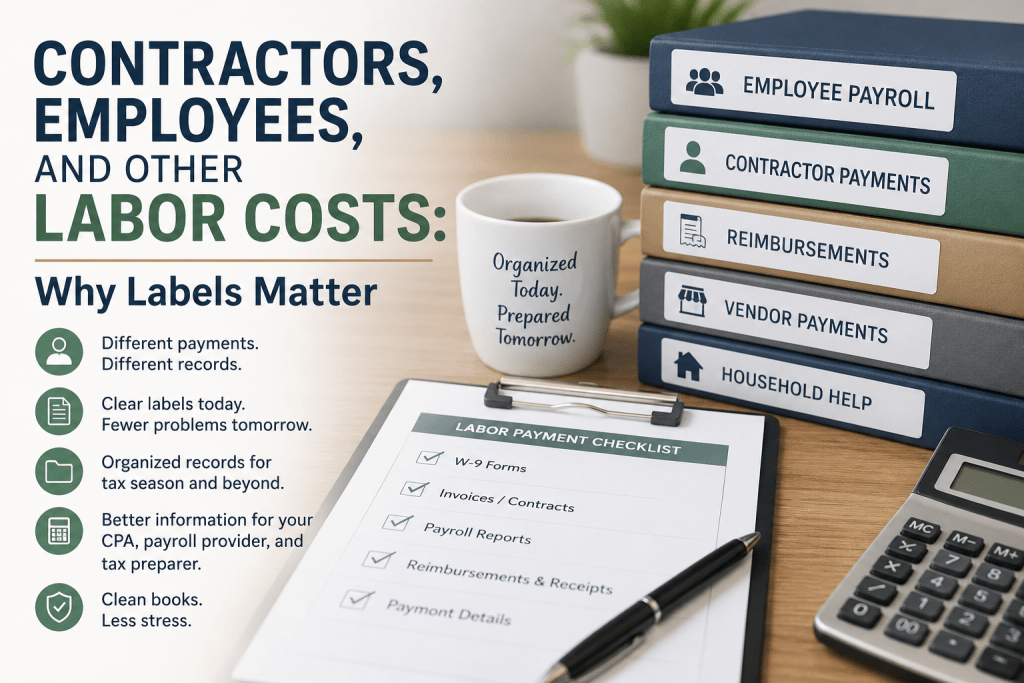
Then gather supporting records. These may include W-9s, invoices, receipts, contracts, payment confirmations, and year-end vendor summaries from QuickBooks.
Your CPA or tax preparer may also ask whether payments went through third-party payment networks, credit cards, direct checks, ACH, or other methods. Payment method can affect how your tax professional reviews reporting requirements, so keep those details clear and organized.
Common Contractor Payment Record Problems
Contractor records often get messy for practical reasons. Small business owners move quickly, pay people as work happens, and rely on whatever payment method feels easiest.
Common problems include:
Missing W-9s from contractors who already received payments
Vendor names entered inconsistently in QuickBooks
Payments split between business cards, bank accounts, and payment apps
Contractor invoices saved in email but not attached to bookkeeping records
Personal payment apps used for business payments
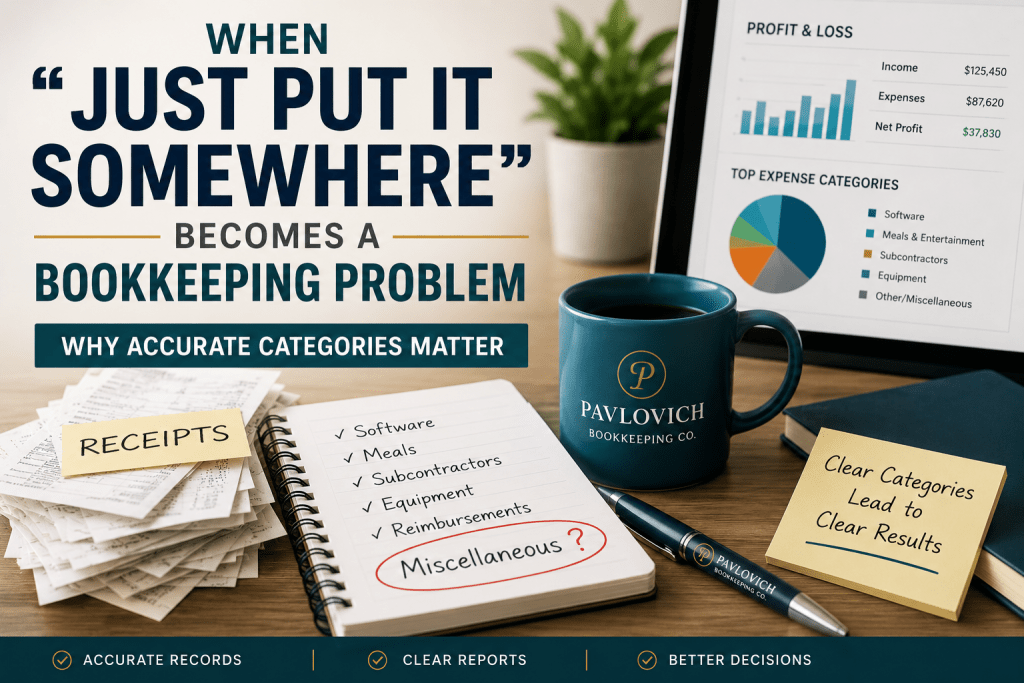
Payments recorded under vague names like “labor,” “helper,” or “subcontractor”
Transfers or reimbursements confused with contractor payments
These issues do not always mean the expense itself lacks support, but they can make tax-time review harder. Clean records help your CPA or tax preparer see who received payments and where the support lives.
Personal Payment Apps Can Complicate the Paper Trail
Personal payment apps can create confusion when business owners use them for contractor payments.
The payment description may not clearly show what the payment covered. The recipient name may not match the invoice. The payment may run through a personal account instead of a business account. If the business owner later tries to reconstruct the activity, the records may feel incomplete.
Whenever possible, business owners should keep contractor payments inside a clear business payment process. That process may include a vendor record, an invoice, a W-9 on file, and a payment method that connects cleanly to the books.
Your CPA or tax preparer can tell you what they need for tax reporting. Your bookkeeper can help organize the bookkeeping side so those details do not get lost.
Organized Contractor Records Make Year-End Easier
Contractor payments deserve attention before tax season, not during the final rush.
When your vendor records stay clean, your W-9s stay organized, and your payments get tracked by contractor, year-end review becomes much easier. Your CPA or tax preparer can work from clearer information instead of asking you to rebuild the payment history one transaction at a time.
Pavlovich Bookkeeping Co. helps small business owners organize contractor payment records, clean up vendor details, review QuickBooks activity, and maintain monthly bookkeeping throughout the year.
If your contractor records feel scattered, now is a good time to get them organized before tax season. Schedule a consultation to ask about contractor payment record cleanup or monthly bookkeeping support.