
Key Takeaways
- Hiring a bookkeeper for small business helps streamline record-keeping and tax preparation.
- A good bookkeeper organizes financial records, categorizes transactions, and prepares monthly reports.
- Before hiring, ask about services, processes, and communication to ensure a good fit.
- The right bookkeeping support creates a structured routine, facilitating communication with other financial professionals.
- Secure access protocols, clear communication, and a thorough understanding of business needs are crucial for effective bookkeeping.
Hiring a bookkeeper for your small business can make your records easier to manage, your reports easier to understand, and your tax-time preparation less stressful. However, the right fit matters.
A bookkeeper does more than enter transactions. The right bookkeeping support creates a clear monthly process for categorizing income and expenses, reconciling accounts, organizing records, reviewing reports, and helping you understand where your business stands.
Before you hire a bookkeeper, it helps to know what they should do, what they should not do, what information you may need to provide, and how the monthly bookkeeping process should work.
Why Small Business Owners Often Wait Too Long
Many small business owners start by handling their own books. At first, that may work. You may have one bank account, a small number of transactions, and a simple way to track income.
Then the business grows.
More payments come in. Expenses run through bank accounts, credit cards, payment apps, and merchant processors. Receipts land in email inboxes, glove compartments, phone photos, and paper folders. Eventually, QuickBooks may show uncategorized transactions, reports may stop making sense, and tax-time organization may feel harder than it should.
The U.S. Small Business Administration explains that accounting for revenue and expenses helps keep a business running smoothly, and it encourages business owners to maintain proper bookkeeping as part of managing business finances. (Small Business Administration)
That does not mean every business owner needs the same level of support. However, it does mean your books need a dependable structure. When bookkeeping falls behind, you lose the ability to trust your numbers.
What a Small Business Bookkeeper Should Help With
A bookkeeper helps keep your financial records organized, current, and easier to review. Depending on your business, monthly bookkeeping may include:
Transaction categorization, bank reconciliations, credit card reconciliations, receipt organization, invoice tracking, account review, QuickBooks cleanup, QuickBooks setup, monthly reports, and questions about unclear transactions.
For small business bookkeeping, the goal is not just to “get everything entered.” The goal is to create clean books that help you understand what happened during the month.
For example, your bookkeeper may review whether deposits match customer payments, whether loan payments need separate principal and interest tracking, whether owner draws look clear, or whether a purchase needs more detail before it goes into a category.
The IRS says business records should clearly show income and expenses, and it explains that a business recordkeeping system should include a summary of business transactions. (IRS)
Clean monthly bookkeeping also supports better tax-time preparation. When your books stay organized throughout the year, you can gather income details, expense records, contractor payment information, and supporting documents with less last-minute stress.
What a Bookkeeper Should Not Replace
A bookkeeper can help organize records, reconcile accounts, categorize transactions, and prepare financial reports. However, a bookkeeper should not replace every other financial professional.
A bookkeeper should not provide legal advice, investment advice, or CPA-level services unless they hold the proper license and you have engaged them for that specific work. Bookkeeping supports your tax preparer or CPA by keeping records organized, but it does not replace professional tax guidance for complex tax questions.
For example, a bookkeeper can help organize expenses and flag unclear transactions. A tax preparer or CPA should advise on tax treatment, deductions, entity structure, estimated tax payments, and other tax-specific decisions.
This distinction matters because clean books help you have a better conversation with your tax professional. They do not remove the need for specialized advice when your situation requires it.
Questions to Ask Before Hiring a Bookkeeper
Before you hire a bookkeeper for your small business, ask practical questions about services, process, communication, and access.
You may want to ask:
What monthly bookkeeping services do you provide? Do you work with QuickBooks? Can you help if my books are behind? How do you handle unclear transactions? How often do you reconcile accounts? What reports will I receive? How will we share documents? How do you protect access to financial information? What information do you need from me each month? Can you communicate with my CPA or tax professional if needed?
The answers should feel clear. You should understand what the bookkeeper handles, what you need to provide, and how the ongoing process works.
If your books already feel messy, also ask whether you need catch-up bookkeeping before monthly bookkeeping begins. A cleanup project can help bring old transactions, missing details, and unreconciled accounts into better order before you move into a monthly routine.
What Information You May Need to Provide
Hiring a bookkeeper does not mean you never need to answer questions again. Good bookkeeping depends on accurate information.
Your bookkeeper may need bank and credit card statements, QuickBooks access, receipts, invoices, loan documents, payroll reports, merchant processor reports, payment app details, and explanations for unclear transactions.
You may also need to clarify whether a payment was business or personal, whether a deposit came from a sale, whether a transaction was a transfer, or whether a purchase relates to a specific job or project.
The IRS notes that supporting documents can include sales slips, paid bills, invoices, receipts, deposit slips, and canceled checks because those records support entries in the books and on the tax return. (IRS)
Better information leads to better reports. When your bookkeeper has the right details, your financial reporting becomes more useful and less confusing.
Why Secure Access and Document Sharing Matter
Bookkeeping involves sensitive financial information, so access should stay controlled and organized.
A bookkeeper should not need your personal password for every account. When possible, use accountant access, user permissions, read-only access, secure portals, and limited-access tools.
QuickBooks provides a way to invite an accountant or accounting firm through user access settings, which can help avoid sharing personal login credentials. (QuickBooks)
The Federal Trade Commission also encourages businesses to understand what personal information they have, who can access it, how it moves through the business, and how they protect it. (Federal Trade Commission)
For small business owners, that can mean using strong passwords, turning on multi-factor authentication, limiting access to only what someone needs, avoiding sensitive attachments in regular email, and removing access when someone no longer needs it.
These steps protect your business and help create a more professional bookkeeping process.
Why Communication Style Matters
Good bookkeeping depends on clear communication.
Your bookkeeper may need to ask questions about missing receipts, unusual deposits, owner payments, transfers, refunds, payroll details, loan payments, or transactions that do not have enough information.
If those questions sit unanswered, the books may stay incomplete. However, the process should not feel scattered. You should know when to expect questions, how to respond, and what happens after you provide the missing details.
A good bookkeeper explains the process in plain English. You should not feel talked down to, and you should not feel left in the dark about your own books.
Clear communication also helps when you work with a CPA or tax professional. Organized records and consistent reports make it easier for everyone to understand what happened during the year.
Do You Need Monthly Bookkeeping, Catch-Up Bookkeeping, or QuickBooks Setup?
Before you hire a bookkeeper, think about what kind of help you need right now.
Monthly bookkeeping works well when your books are mostly current and you want a consistent process for categorizing transactions, reconciling accounts, reviewing records, and receiving monthly reports.
Catch-up bookkeeping may make more sense if your books are behind, incomplete, unreconciled, or full of unclear transactions. This process helps bring past records up to date before ongoing monthly support begins.
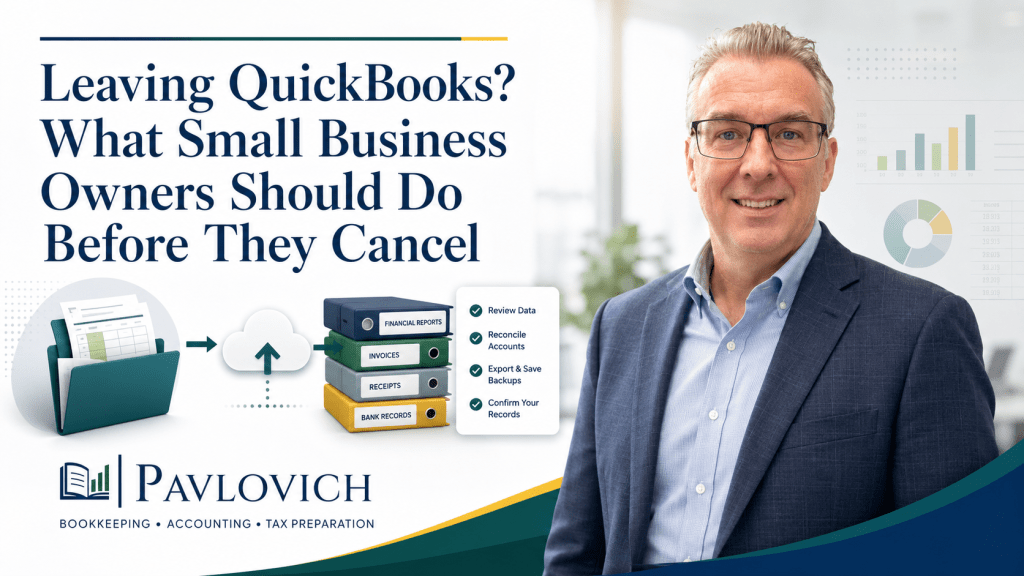
QuickBooks setup and support can help if you are starting fresh, switching systems, or working in a QuickBooks file that has become confusing. Clean categories, connected accounts, and practical workflows can make ongoing bookkeeping easier.
Some businesses need more than one type of support. For example, you may need bookkeeping cleanup first, then monthly bookkeeping after the records become current.
What the Right Bookkeeping Support Should Feel Like
The right bookkeeping support should bring structure, not confusion.
You should understand what happens each month. You should know what records to send, what questions need answers, and what reports you will receive. Your books should become easier to review over time.
That does not mean every number will tell the full story by itself. However, clean books give you a better starting point. They help you review income, expenses, cash flow, account balances, and tax-time records with more confidence.
They also help you avoid the stress of waiting until tax season to figure out what happened during the year.
Hiring a Bookkeeper Is Really About Building a Better Routine
When you hire a bookkeeper for your small business, you are not just outsourcing a task. You are building a better monthly routine for your records.
That routine can help you keep QuickBooks organized, maintain tax-ready books, review financial reports, and stay better prepared for conversations with your CPA or tax professional.
Pavlovich Bookkeeping Co. helps small business owners with monthly bookkeeping, catch-up bookkeeping, QuickBooks setup and support, and financial review and reporting. If your books are behind, unclear, or harder to manage than they should be, schedule a consultation to talk through the next step.